Dryer Vent Cleaning in Wilmington, NC
Clear lint buildup and reduce dryer strain with dryer vent cleaning for Wilmington homes.
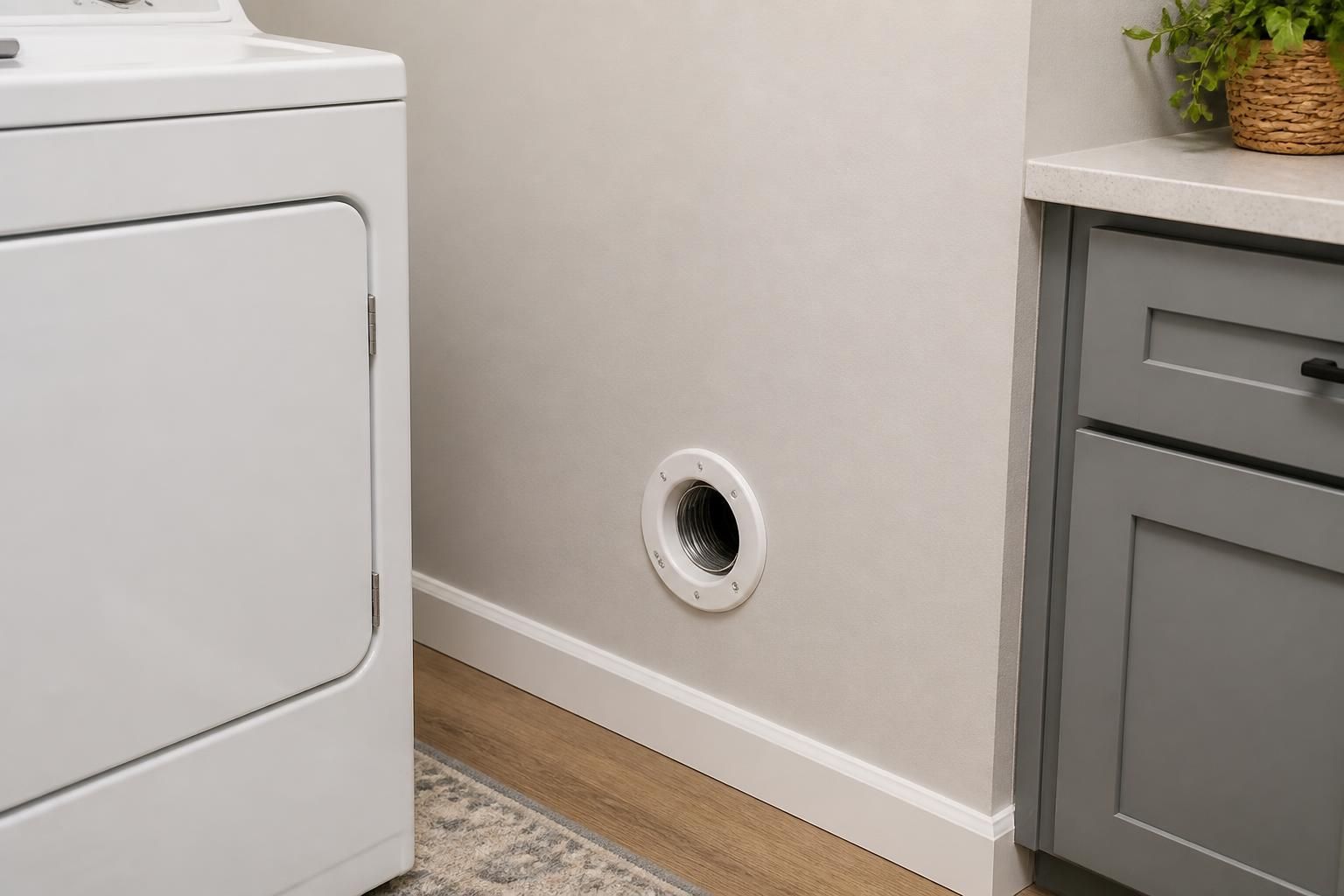
Clear lint buildup and reduce dryer strain with dryer vent cleaning for Wilmington homes.
If your clothes are taking more than one cycle to dry, the vent may be packed with lint or trapped debris. You might also notice a hotter laundry room, a burning smell near the dryer, or extra lint around the outside vent opening. These are the kinds of warning signs that deserve attention before the dryer starts working harder than it should.
ASD Environmental Services helps Wilmington homeowners address dryer vent buildup with focused dryer vent cleaning that clears the path from the dryer to the outside exit. We work to remove lint and obstructions that can slow performance and create unnecessary strain, so you can get back to normal laundry routines with less frustration.
Dryer vent buildup often shows itself through small changes first. A dryer that used to finish a load quickly may start needing extra time, and the machine itself may feel hotter than usual after a cycle. The outside vent cap may also show weaker airflow than you expect.
Look for these common signs:
When these signs appear together, a blocked or restricted vent is often the reason. A cleaning service can clear the passage and help the dryer move air the way it should.
Dryer vents are supposed to move moist air out of the home. When lint sticks to the vent walls, airflow slows down and the dryer has to run longer to dry the same load. That extra run time can be annoying, but it also places more stress on the appliance.
Restricted vents can also make the dryer release more heat into the laundry area instead of sending air outside. Over time, that can leave the room uncomfortably warm and make the appliance feel overworked. A clean vent helps reduce that strain and supports better day-to-day performance.
ASD Environmental Services uses a straightforward process designed to clear dryer vent lines and remove the lint that collects along the way. We start by assessing the vent path, then clean the vent line and help remove the buildup that is limiting airflow.
We begin by looking at the dryer vent setup and identifying where airflow may be restricted. This helps us understand whether the issue is light lint buildup or a more stubborn blockage along the vent path.
Next, we clean the vent line to remove lint and debris that can slow air movement. The goal is to restore a clearer route from the dryer to the outside vent opening.
After cleaning, we confirm that the vent path has been cleared and that air can move more freely than before. This final step helps ensure the work addresses the source of the problem, not just the symptoms.
Some laundry issues are easy to blame on the dryer itself, but the vent line is often the real concern. A clogged vent can mimic appliance trouble, so it helps to look at both the machine and the pathway it uses to exhaust air.
Finding the cause matters because a dryer that seems weak may not need repair at all. It may just need the vent cleared.
Wilmington homeowners often notice dryer vent problems when laundry starts taking longer than expected. A load that used to dry in one cycle may need two, and heavier items such as towels can stay damp at the center even when they seem dry on the outside.
You may also hear the dryer running normally while the results tell a different story. If the drum turns and the heat is present, but the clothes still come out damp, a restricted vent is one of the first things to check.
Excess warmth, lint around the appliance, and a dryer that feels unusually hot are all signs that air is not moving out as it should.
If the exterior vent cap has weak airflow or visible lint buildup, the vent line may need cleaning from end to end.
Homes throughout Wilmington and nearby areas can have different vent layouts, and that means no two cleaning visits are exactly alike. Some vent lines are short and direct, while others run longer distances before reaching the outside.
That variety is one reason dryer vent cleaning should be handled with care. A service that understands how to work through different vent configurations can help clear the path without overlooking the places where lint tends to collect.
When you schedule dryer vent cleaning with ASD Environmental Services, you get a service focused on one goal: clearing lint and buildup from the vent line so the dryer can exhaust air more effectively. We provide free, no-obligation estimates and serve residential customers throughout Wilmington, NC and surrounding counties.
We also use environmentally friendly chemicals that are safe for families and pets when a job calls for them. If you have additional concerns about mold testing, crawlspace work, or other environmental services, those can be discussed separately. For dryer vent cleaning, the priority stays on airflow, lint removal, and a cleaner vent path.
A few small steps can help the visit go smoothly. You do not need to do any heavy lifting or disassembly, but a little access goes a long way.
These details help us focus on the likely problem areas and work more efficiently once on site.
That depends on how often the dryer is used and how quickly lint builds up in the vent line. If you notice slower drying or more heat than usual, it may be time to have it checked.
The first signs are usually longer drying times, warm laundry rooms, and lint collecting around the dryer or outside vent opening.
Yes. When air cannot move out efficiently, the dryer has to work harder and may run longer than needed for the same load.
No. Vent length, turns, and outlet location can all affect where lint collects and how quickly it accumulates.
Light surface lint near the dryer can be removed by a homeowner, but the full vent line is harder to reach and may need service to clear more thoroughly.
No. ASD Environmental Services serves Wilmington along with nearby areas across New Hanover, Pender, Brunswick, Duplin, and Onslow counties, including communities such as Castle Hayne, Leland, Wrightsville Beach, Hampstead, Burgaw, Carolina Beach, Kure Beach, Southport, Ogden, and Kings Grant.
If your dryer is leaving loads damp or your laundry room is running hotter than usual, dryer vent cleaning can help get the airflow back on track. ASD Environmental Services is available for residential service at 6642 Gordon Rd unit 2, Wilmington, NC 28405, USA. Call +19103997764 or email asdenvironmental@gmail.com to request your free estimate and set up service for your home.

Get Started
Share a few details about the damage or testing you need, and we will help you plan the right next step.