Insulation Upgrades and Replacement in Wilmington, NC
Replace settled or damaged insulation and upgrade coverage with blown-in insulation for Wilmington, NC homes.
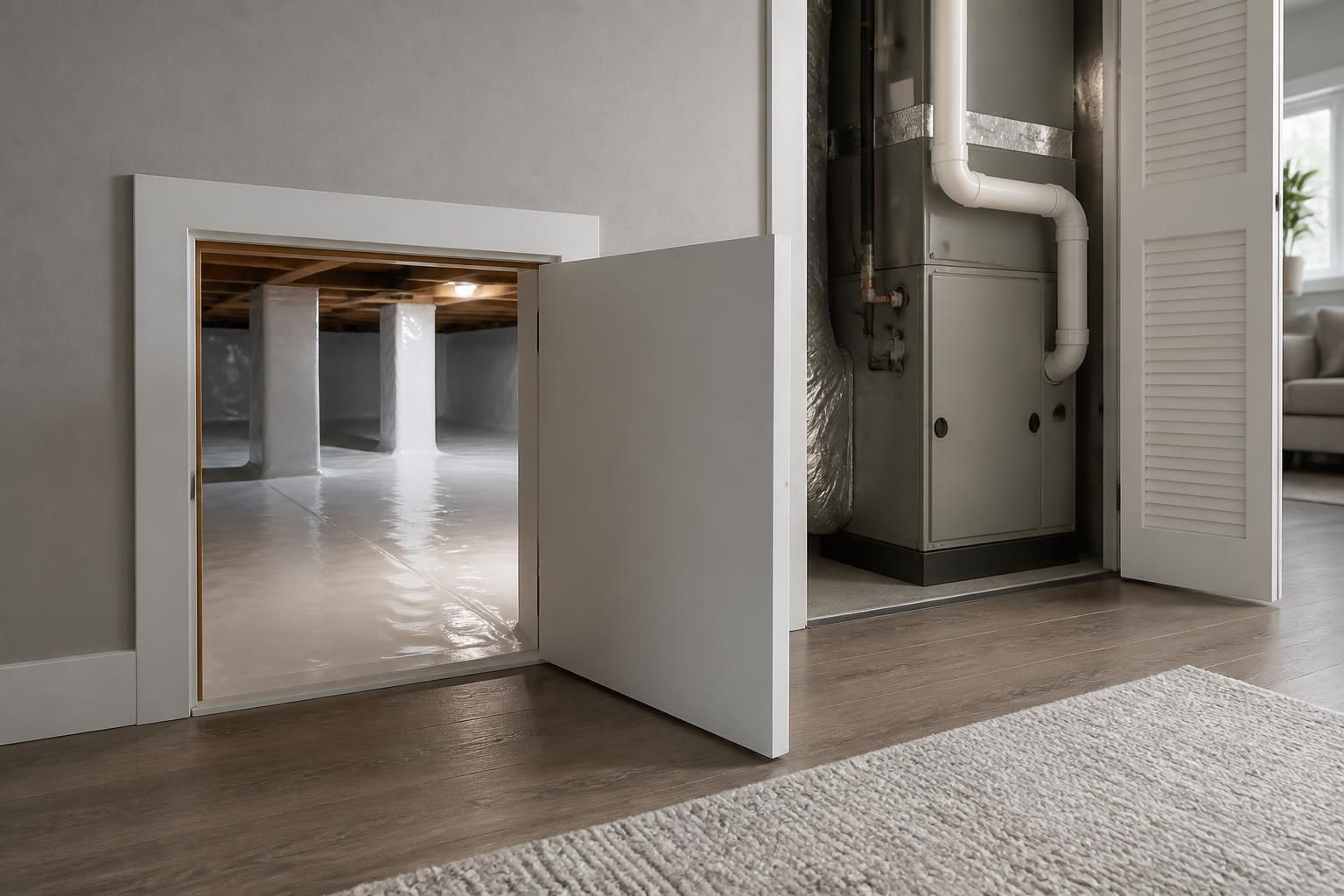
Replace settled or damaged insulation and upgrade coverage with blown-in insulation for Wilmington, NC homes.
If some rooms in your Wilmington home feel cold in winter or hot in summer, the insulation in your attic, walls, or floors may be part of the reason. Insulation rarely fails in obvious ways. It can settle, compress, absorb moisture, or get disturbed during past repairs, and each change leaves gaps where comfort slips away.
Upgrading or replacing insulation is often the practical next step once an inspection shows the current material is no longer doing its job. ASD Environmental Services reviews the existing insulation, explains what is working and what is not, and recommends a plan that fits the home. For these projects, we install blown-in insulation.
An upgrade adds or improves insulation in a space that is already part of the home. A replacement removes material that is damaged, compressed, or no longer suitable and installs new insulation in its place. Many projects combine both, depending on what the inspection shows.
The goal is more consistent coverage. When insulation is even across the attic and accessible areas, the rooms below and beside a problem area tend to feel more comfortable and easier to keep at a steady temperature.
Homeowners often notice insulation problems through the living space before they see the material itself. These are the signs we see most often.
When several of these appear together, an inspection can show whether the problem is isolated or spread across the home.
Blown-in insulation is loose material installed with specialized equipment. It can fill irregular spaces around framing, pipes, and wiring, which makes it a flexible choice for upgrades and replacement projects in homes with varied layouts.
Blown-in material works well in attics and other accessible areas where existing insulation needs to be replaced or topped off. It covers uneven surfaces without requiring a cut-to-fit approach for every gap. Each home is different, so we confirm the right approach after reviewing the space.
ASD Environmental Services does not provide spray foam insulation, whether closed cell or open cell. We made this decision because of environmental and health concerns connected to the material. When a home needs insulation replaced, we install blown-in insulation instead.
Many homeowners ask what happens when spray foam is already in place. Because every installation is different, we review the existing material during the inspection, explain the options that make sense for the home, and outline how blown-in insulation can take the place of material that is no longer suitable for the space.
Attics: Attics are one of the most common places where insulation settles, gets disturbed, or stops covering the floor evenly. Blown-in material can restore coverage across the attic floor and around the areas that need the most attention.
Accessible floor and wall areas: Some crawl spaces, floor cavities, and other accessible areas may benefit from replacement when the existing material is damaged. We confirm access and suitability during the inspection before recommending any changes.
We look at depth, condition, coverage, and any signs of moisture or pests.
Areas that only need added coverage are separated from areas where the material should be removed and replaced.
You receive a clear walkthrough of the recommended approach and what the work involves before anything begins.
We review coverage across the area and make sure the work leaves the space clean and even.
Insulation can be pressed down by stored items, foot traffic, or work around ductwork. When it loses its loft, the attic floor may show bare spots while other areas stay packed thin. Adding blown-in material can bring coverage back to a more even level.
Material that has been wet can lose its shape and much of its insulating value. Before anything new goes in, we look for the source of the moisture, because new insulation will not solve a moisture problem on its own. Where mold or other concerns appear, related services such as mold testing or mold removal may need to come first.
Uneven room temperatures, settled or flattened material, visible moisture damage, pest activity, and heavy dust are all good reasons to have the space inspected.
No. ASD Environmental Services does not provide closed cell or open cell spray foam because of environmental and health concerns. We install blown-in insulation for upgrades and replacement projects.
An upgrade adds or improves coverage in an area that is still in good enough shape to build on. A replacement removes material that is damaged, compressed, or unsuitable and installs new insulation in its place.
In many cases it can, but that depends on the condition of the existing material. If it is damp, damaged, or contaminated, we recommend addressing that problem first.
No. It works best in accessible areas where it can be installed evenly. We confirm the right location during the inspection.
Yes. Attic encapsulation, mold testing, or other environmental services can be part of the plan when the inspection shows related concerns.
If your home feels uneven, your insulation looks worn, or you want to understand your options, contact ASD Environmental Services at 910-399-7764 or asdenvironmental@gmail.com. We will review the space and explain whether an upgrade, a replacement, or a combined approach fits your home.
Get Started
Share a few details about the damage or testing you need, and we will help you plan the right next step.